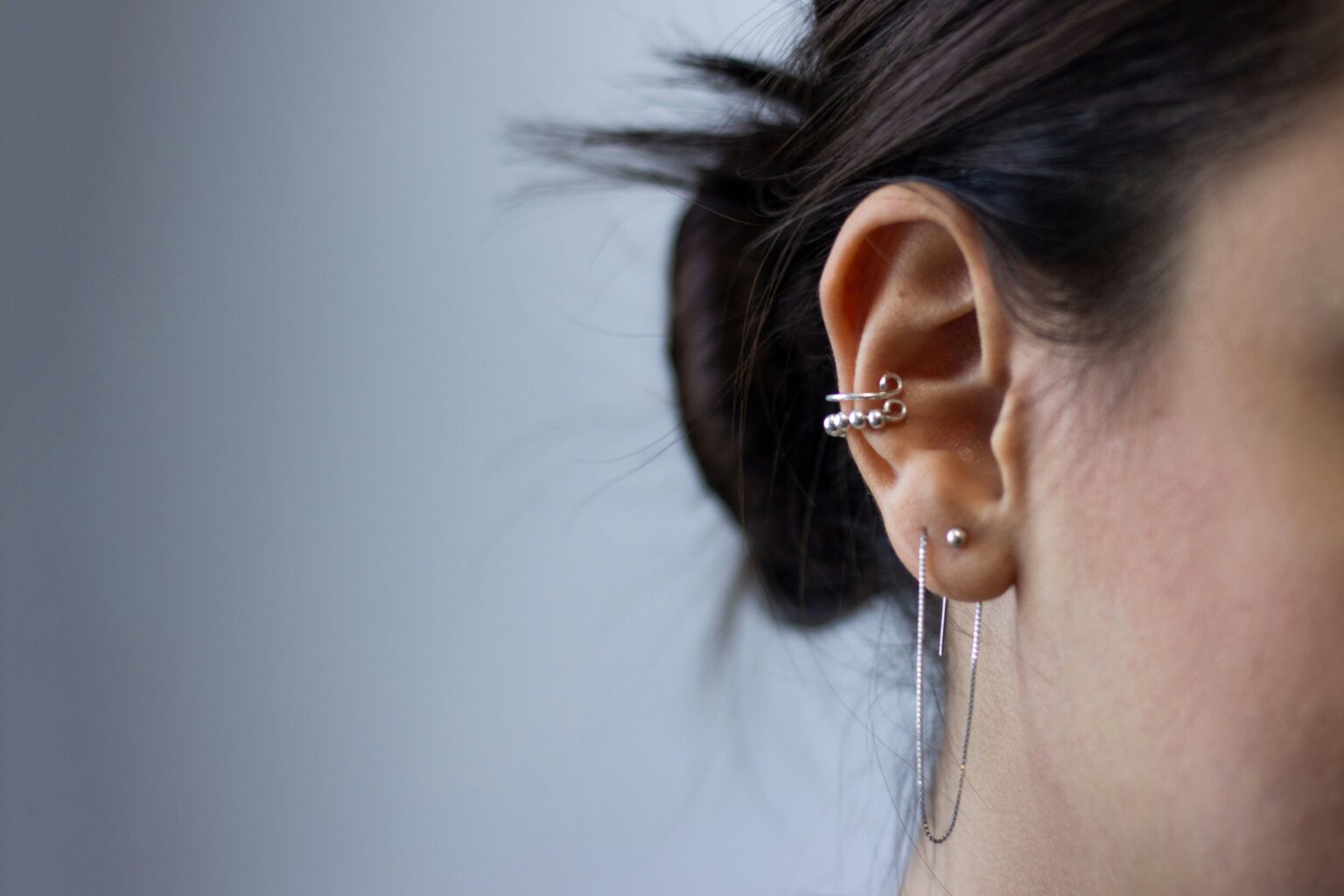

Body piercings continue to grow in popularity, and among the most stylish and eye-catching trends of 2025 is the conch piercing. Known for its bold appearance and versatility, a conch piercing is a beautiful way to express your individuality while enhancing your ear’s aesthetic. Whether you’re new to piercings or considering adding another to your collection, understanding the process, healing time, jewelry options, and aftercare is essential.
This comprehensive guide covers everything you need to know about conch piercing, conch piercing jewelry, conch ear piercing, conch piercings, and conch piercing healing time. It’s written in a user-friendly, up-to-date format to ensure you feel confident before booking your appointment.
What Is a Conch Piercing?
A conch piercing is a type of ear piercing placed in the central cartilage area of the ear, known as the concha. This area resembles a hollow shell, which is where the piercing gets its name. The piercing sits in a location that naturally draws attention, making it one of the most distinctive ear modifications.
There are two main types:
1. Inner Conch Piercing
The piercing goes through the inner section of the concha, close to the ear canal. It’s slightly more subtle but still stylish, offering room for studs or small hoops.
2. Outer Conch Piercing
The piercing is placed higher on the cartilage, toward the outer rim of the ear. This type accommodates larger hoops that wrap around the ear, creating dramatic visual impact.
Both versions offer unique creativity and styling options, making conch piercings perfect for people who want modern, fashionable ear art.
Why Conch Piercings Are So Popular in 2025
Conch piercings have become a major part of the ear-stack trend. Here’s why they’re so popular today:
✔ Versatility in Jewelry
From dainty studs to bold hoops, there is a wide range of conch piercing jewelry styles.
✔ Enhances Ear Aesthetics
Conch piercings complement ear stacks involving:
- Helix piercings
- Daith piercings
- Tragus piercings
- Rook piercings
✔ Works with Any Style
Whether minimal, edgy, bohemian, or classy, the conch piercing suits all fashion types.
✔ Long-Lasting Trend
Unlike many piercing trends that fade, the conch piercing remains timeless.
How a Conch Ear Piercing Is Done
Understanding the procedure will help you feel more prepared for your appointment.
The Process Step-by-Step
1. Cleaning and Preparation
The piercer disinfects your ear and marks the exact location for the piercing.
2. Needle Piercing
A sterilized hollow needle is used—not a piercing gun (guns should never be used on cartilage).
3. Insertion of Jewelry
A starter piece of jewelry—usually a stud—is inserted to allow for proper healing.
4. Post-Piercing Instructions
Your piercer will explain essential aftercare steps to avoid infection or irritation.
Does a Conch Piercing Hurt?
Pain tolerance varies, but because conch piercings pass through thick cartilage, they tend to be:
Pain Level: Moderate to High
On average, people rate it 5–7 out of 10.
The initial piercing may be sharp, followed by soreness for several days. With proper aftercare, discomfort reduces significantly within the first couple of weeks.
Conch Piercing Healing Time (2025 Updated Guide)
One of the most important topics is conch piercing healing time.
Healing Timeline Overview
- Initial healing: 2–4 months
- Full healing: 6–12 months
Cartilage piercings take longer to heal than lobe piercings because cartilage has limited blood supply.
Stages of Healing
1. Days 1–7:
- Mild swelling
- Redness
- Soreness
- Clear discharge (normal healing fluid)
2. Weeks 2–8:
- Reduced swelling
- Formation of early tissue
- Occasional tenderness when sleeping on the ear
3. Months 3–6:
- Cartilage strengthens
- Minimal sensitivity
4. Months 6–12:
- Complete internal healing
Even if your piercing looks healed externally, internal healing takes much longer. Always consult your piercer before changing jewelry too soon.
Best Conch Piercing Jewelry Options
One reason people love conch piercings is the huge variety of jewelry styles.
Here are the top choices:
1. Studs
Perfect for the healing phase and long-term wear.
Popular stud options include:
- Titanium studs
- Flat back studs
- Gemstone studs
- Opal-topped studs
Studs allow the piercing to heal properly because they sit securely and safely.
2. Hoops
Once healed, hoops transform the conch visually.
Popular hoop styles:
- Captive bead rings
- Seamless hoops
- Hinged segment rings
- Thick metal hoops
Large hoops wrapping around the ear create a dramatic statement effect.
3. Clickers
Clicker jewelry is stylish, easy to insert, and comes in beautiful designs.
Common designs include:
- Filigree
- Textured metal
- Gem-lined rings
- Minimalist bands
Clickers are perfect for healed conch piercings.
4. Barbells
Less common but visually striking, barbells give an industrial or edgy look.
Best Materials for Conch Piercing Jewelry
Using the right material reduces infection, irritation, and allergic reactions.
Recommended Materials
- Titanium (ASTM F-136 certified)
- 14k or 18k solid gold
- Niobium
- Surgical stainless steel (for non-sensitive users)
Avoid Cheap Jewelry
Materials like:
- Nickel
- Cheap alloys
- Plastic can cause infections or delay healing.
Conch Piercing Care and Aftercare Tips
Proper aftercare ensures a smooth healing process and helps prevent complications.
Daily Aftercare
1. Clean Twice a Day
Use a sterile saline solution. Avoid alcohol or hydrogen peroxide—they damage tissue.
2. Do Not Touch the Piercing
Touching introduces bacteria and causes irritation.
3. Avoid Sleeping on That Side
Pressure can cause bumps and delayed healing.
4. Keep Hair Away
Hair can tangle in the jewelry and introduce dirt.
5. Avoid Submersion in Pools or Lakes
These contain bacteria that can cause infections.
Common Conch Piercing Problems (and Solutions)
Understanding potential issues helps you avoid panic and treat problems early.
1. Swelling and Redness
Normal during the first few weeks. Use cold compresses and follow aftercare instructions.
2. Cartilage Bumps
Often caused by:
- Sleeping on the piercing
- Changing jewelry too soon
- Irritation
Solution: Saline soaks and avoiding pressure help reduce bumps naturally.
3. Infection
Symptoms include:
- Persistent redness
- Yellow pus
- Severe pain
Solution: Contact a piercer or doctor—never remove the jewelry on your own.
4. Migration or Rejection
Rare but possible with improper jewelry. High-quality materials reduce this risk significantly.
How Much Does a Conch Piercing Cost?
Prices vary depending on location and piercer experience.
Average Cost (2025)
- Piercing fee: $40–$90
- Jewelry: $30–$200 depending on material
High-quality jewelry is always worth the extra investment.
Can You Wear Headphones With a Conch Piercing?
Yes—eventually. But not during the early healing process.
Avoid Headphones For:
- First 2–4 weeks
Use Instead:
- Over-ear headphones
- One-ear listening
- Low-pressure earbuds once healed
Conch Piercing Styling Ideas
Here are some trendy ways to style your conch piercing jewelry:
1. Minimalist Look
A single titanium stud creates a clean, elegant look.
2. Boho Style
Decorative hoops or textured clickers add artistic flair.
3. Gemstone Pop
Colored gemstones highlight your ear stack beautifully.
4. Bold Statement Ring
Large hoops give the signature conch piercing look.
5. Multi-Piercing Combination
Pair with:
- Helix
- Tragus
- Rook
- Lobe stacks
This creates a curated ear design trending for 2025.
Conch Piercing vs. Other Cartilage Piercings
Here’s how conch piercings compare to other cartilage options:
Piercing Type
Pain Level
Healing Time
Jewelry Options
Visibility
Conch
Moderate-High
6–12 months
Studs & hoops
Very High
Helix
Moderate
6–9 months
Studs
High
Daith
High
6–10 months
Rings
Medium
Tragus
Moderate
6–12 months
Studs
Medium
Rook
High
6–12 months
Curved barbells
Medium
Frequently Asked Questions About Conch Piercings
1. How long does a conch piercing take to heal?
Full healing takes 6–12 months, though initial healing occurs within 2–4 months.
2. Is a conch piercing painful?
It rates around 5–7 out of 10, depending on pain tolerance.
3. When can I change my conch jewelry?
Usually after 3–6 months, but full healing may require longer. Ask your piercer first.
4. Can I get a hoop immediately?
No. Most piercers recommend starting with a stud to avoid irritation.
5. What jewelry is best for a conch piercing?
Titanium, solid gold, or niobium are safest and most comfortable.
Conclusion: Is a Conch Piercing Right for You?
A conch piercing is one of the most stylish and versatile body piercings in 2025. Whether you prefer minimalist studs or bold hoops, the conch area offers endless jewelry options that elevate your entire look. With proper aftercare, patience, and high-quality conch piercing jewelry, you can enjoy a beautiful, fully healed piercing that lasts for years.
If you want a piercing that stands out, complements other ear piercings, and allows creative expression, the conch piercing is an excellent choice.