
Introduction
Camping remains one of America’s most beloved outdoor activities, connecting people to nature through weekends at national parks, nights under the stars, and adventures that cut through forests, mountains, deserts, and coastal areas. With millions of U.S. households taking part in outdoor recreation each year, the demand for reliable and high-quality outdoor gear is higher than ever. Whether someone is visiting a large retailer, searching for outdoor gear near me online, or checking review-driven platforms to compare options, choosing the right equipment can significantly impact safety, comfort, and overall enjoyment.
This comprehensive guide breaks down everything U.S. campers need to know—from essential gear categories to function, quality indicators, and where to shop. Whether you’re a first-timer preparing for a family camping trip or an experienced backpacker looking to upgrade equipment, this guide provides a complete overview to help you choose smart.
Understanding the Essentials of Outdoor Gear for Camping
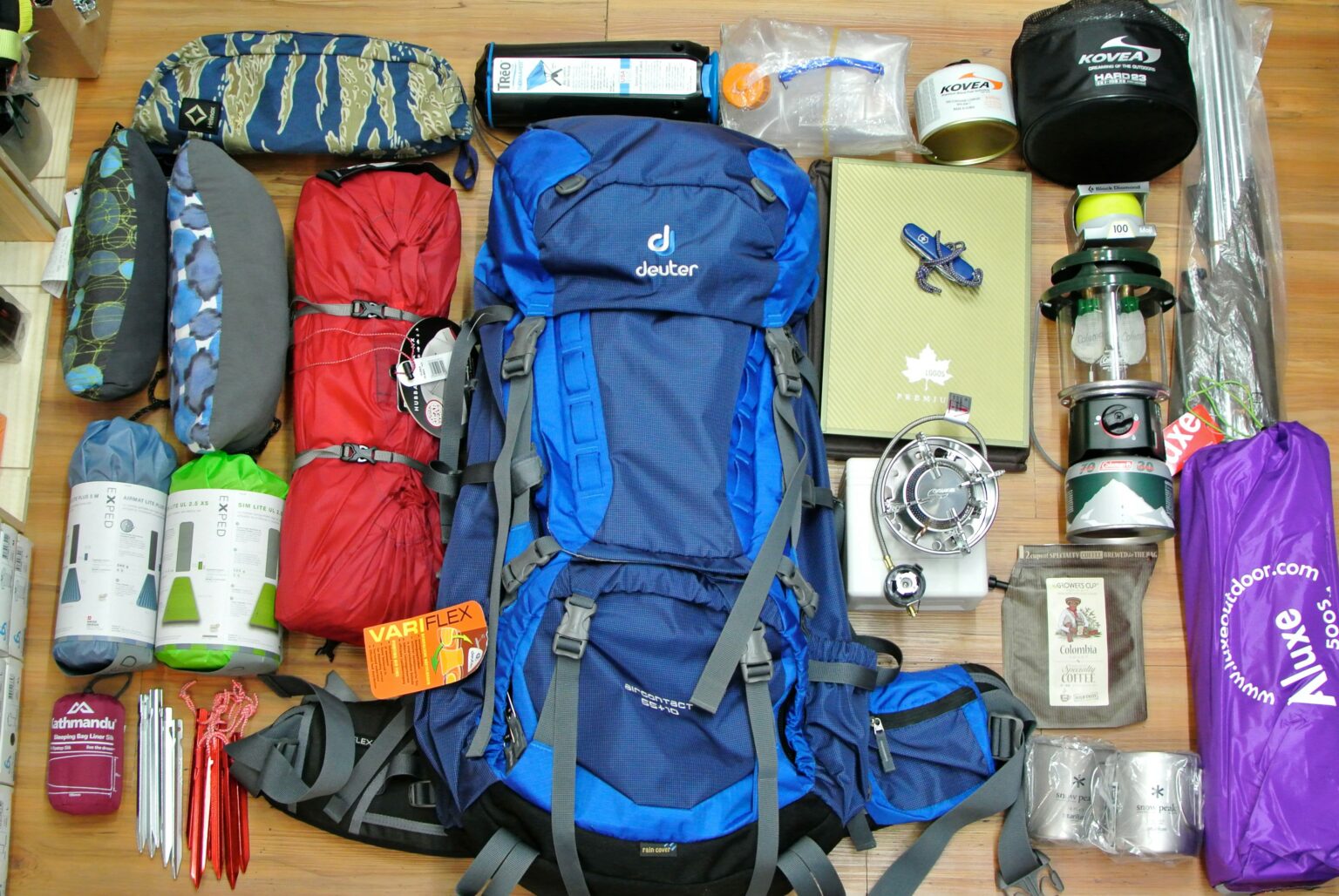
Before diving into specific stores or platforms, it’s important to understand the core categories of camping equipment. Each piece contributes to safety, shelter, warmth, convenience, and overall experience.
1. Shelter and Sleeping Systems
The foundation of any successful camping trip begins with your shelter and sleeping setup. These components determine how well you rest, how protected you are from the elements, and how comfortable you feel overnight.
Tents
Tents vary widely based on:
- Season rating (3-season vs. 4-season)
- Capacity (solo tents, family tents)
- Weight (ultralight vs. traditional)
- Weather resistance
- Ease of setup
Modern options include quick-set designs, freestanding frames, and durable waterproof coatings to handle sudden storms.
Sleeping Bags
U.S. campers choose between synthetic and down insulation, each offering benefits:
- Down is lightweight and compressible.
- Synthetic performs better in wet or humid climates.
Temperature ratings are crucial—winter camping requires far more insulation than summer outings.
Sleeping Pads and Air Mattresses
These increase insulation from the ground and improve sleep quality. Foam pads offer durability, while inflatable options add comfort without adding much weight.
2. Cooking Gear and Food Storage
Meals are a major part of the camping experience. Outdoor cooking requires equipment designed for safe and efficient use in remote settings.
Stoves
Backpacking stoves, propane burners, wood-burning stoves, and multi-fuel systems are common choices. U.S. campers often select a stove based on group size and type of trip.
Cookware
Camping cookware is often made from lightweight aluminum, stainless steel, or titanium. Nonstick coatings, nesting sets, and folding handles make cooking easier at the campsite.
Food Storage
In many U.S. regions—especially national parks—proper food storage is a safety requirement. Bear canisters, hanging bags, and hard coolers help protect both wildlife and people.
3. Lighting and Power Sources
Reliable lighting is essential for cooking, navigating campsites, and staying safe after sunset.
- Headlamps provide hands-free illumination.
- Lanterns help illuminate large areas.
- Portable solar chargers keep devices powered during multi-day trips.
Many U.S. campers also use rechargeable battery packs specifically designed for outdoor use.
4. Clothing and Footwear
Camping apparel isn’t just about staying warm—it plays a major role in safety, comfort, and performance.
Layering
Americans camping across different climates rely on a layered approach:
- Base layer for moisture control
- Insulating layer for warmth
- Outer layer for wind and rain protection
Footwear
Proper hiking boots or trail shoes improve stability, grip, and comfort on uneven terrain. Choosing the right footwear is especially important for long hikes or backpacking trips.
5. Safety and Survival Essentials
Even short camping trips require basic survival gear.
- Navigation tools
- First-aid kits
- Water filtration systems
- Fire starters
- Multi-tools
- Emergency blankets
These items protect campers from unexpected conditions or emergencies.
Where Americans Shop for Outdoor Gear
The U.S. has a thriving retail landscape for camping equipment, from local shops to large multi-category outdoor markets.
National Retailers
Large retailers offer wide product selections, warranties, and accessibility for shoppers across the country. They are popular among beginners who want trustworthy basics and easy returns.
Regional and Specialty Stores
Many Americans prefer small local shops for personalized service, niche gear, and repairs. These stores often host community events and provide expert guidance tailored to local terrain.
Buying, Selling, and Trading: The Rise of Gear Exchanges
Sustainability trends have boosted demand for secondhand outdoor equipment. Some U.S. shoppers turn to gear exchange programs to:
- Trade used equipment
- Purchase discounted items
- Sell items they no longer need
These exchange systems extend the life of high-quality gear while reducing environmental impact.
Research Platforms and Comparison Resources
Before purchasing equipment, many campers read in-depth reviews. Online comparison sites break down gear features like durability, weight, and performance. They help Americans make informed decisions based on real-world testing rather than marketing claims. This research step has become part of the standard buying process for both beginners and advanced adventurers.
Finding Outdoor Gear Near You
Why U.S. Campers Prefer Local Purchases
Shopping in person allows buyers to test footwear, try on backpacks, handle equipment, and compare sizes. This is especially helpful for:
- Hiking boots
- Backpacks
- Tents
- Sleeping systems
Local shops also offer knowledgeable staff who can recommend gear based on nearby trails and regional conditions.
A Look at Specialized Retailers Across the U.S.
Certain U.S. stores are recognized for offering broad selections, community-focused services, and expert advice. These shops provide:
- Technical equipment
- Rental programs
- Workshops
- Repair services
- Brand-specific gear
Many Americans trust these retailers for high-end and performance-focused equipment.
A Detailed Breakdown: Outdoor Gear for Camping in U.S. Environments
The U.S. offers diverse landscapes—each requiring specialized camping gear.
Camping in National Parks
From Yellowstone to the Great Smoky Mountains, national parks bring varying climates and wildlife considerations. Campers may need stronger food storage, bear protection, and weather-resistant shelters.
Desert Camping
Southwestern regions require sun protection, heat-resistant apparel, and extra hydration systems.
Mountain Camping
Rocky Mountain and Sierra Nevada regions demand cold-weather sleeping bags, insulated clothing, and rugged boots.
Forest and Woodland Camping
Eastern and Pacific Northwest forests require insect protection, waterproof tents, and moisture-resistant gear.
Beach and Coastal Camping
Coastal environments require sand-resistant tents, windproof shelters, and corrosion-resistant cooking gear.
Knowing the environment helps narrow down gear choices for safety and comfort.
Sustainability in the Outdoor Industry
Eco-conscious camping has become a major priority for U.S. consumers.
Key Trends Include:
- Recycled fabrics
- Low-waste packaging
- Durable, repairable designs
- Renewable energy-powered equipment
- Fair labor practices
Many American outdoor brands now emphasize environmental responsibility in both materials and manufacturing.
Choosing the Right Gear for Your Camping Style
Family Camping
Families typically need larger tents, comfortable sleeping systems, coolers, and easy-to-use cooking gear.
Backpacking
Backpackers prefer lightweight items: compact tents, ultralight sleeping bags, and minimal cooking systems.
Car Camping
This style allows for bulkier—but more comfortable—gear such as larger stoves, full-size coolers, and plush bedding.
Solo Camping
Solo campers prioritize reliability, efficient packing, and multi-use tools.
Each style has unique gear needs, and understanding your camping method helps maximize enjoyment.
Tips for Buying Camping Gear in the U.S.
- Test equipment before purchasing.
- Read reviews from reliable outdoor gear sources.
- Consider long-term durability over low prices.
- Prioritize weather-appropriate equipment.
- Support local retailers when possible.
- Rent before buying if unsure.
Smart purchasing reduces wasted money and ensures safer, more fulfilling trips.
Conclusion
Camping continues to grow in popularity across the United States, making the demand for high-performance outdoor equipment stronger than ever. Whether searching for nearby stores, browsing review-driven websites, or exploring gear exchange platforms, American campers have a remarkable range of choices. Understanding shelter systems, cooking equipment, apparel, safety tools, and environment-specific needs allows campers to make informed decisions that enhance comfort and safety.
From weekend family trips to advanced backcountry adventures, choosing reliable and well-designed outdoor gear ensures that every moment outdoors is a positive and memorable experience. With the right equipment, every U.S. camping journey becomes easier, safer, and far more enjoyable—whether you’re exploring national parks, forests, coastlines, mountains, or any of the countless scenic landscapes this country has to offer.