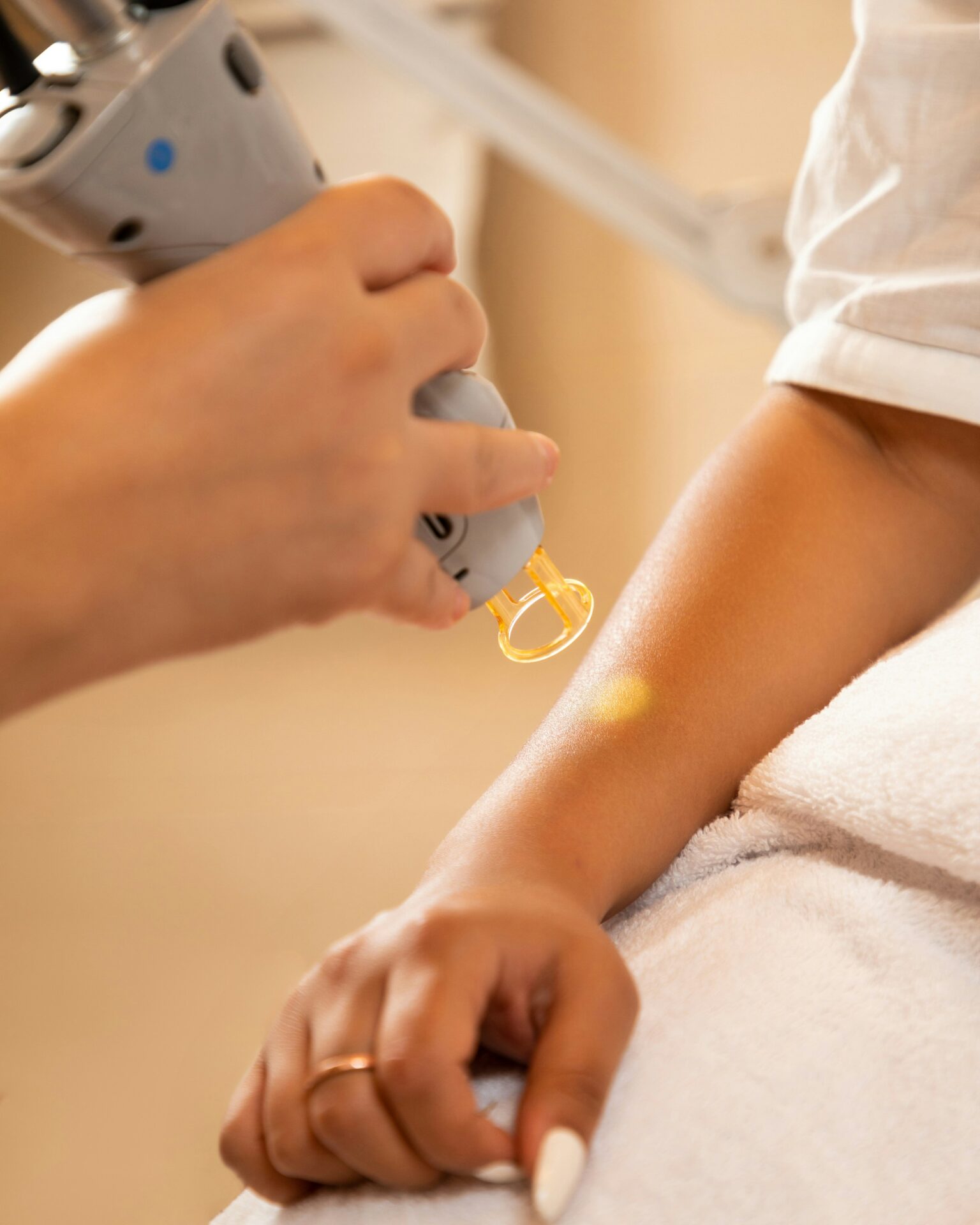

Laser hair treatment has become one of the most popular long-term solutions for reducing unwanted hair. Many people choose it because it offers smoother skin, fewer maintenance routines, and lasting results. Still, two of the most common questions people ask are how long laser hair treatment lasts and whether the procedure hurts. Understanding these points helps individuals make informed decisions before starting their sessions.
This comprehensive guide explains how the treatment works, what affects its longevity, what the process feels like, and how to prepare for the best possible outcome.
What Is Laser Hair Treatment?
Laser hair treatment is a cosmetic procedure that uses concentrated light to target hair follicles. The pigment in the follicle absorbs this light, weakening the root and slowing future growth. It is performed by trained technicians or dermatologists depending on the clinic.
While not guaranteed to remove every hair permanently, it is considered one of the most effective long-term hair reduction methods. After completing the recommended sessions, many individuals experience significantly slower regrowth, lighter strands, and smoother skin.
How the Process Works
Understanding the basics helps explain why multiple sessions are needed and why results vary.
Hair Growth Phases
Hair grows in cycles, and only follicles in the active growth phase respond fully to laser treatment:
- Anagen Phase – Active growth, ideal for laser targeting
- Catagen Phase – Transition, where growth slows
- Telogen Phase – Resting stage, after which hair sheds
Because each hair is in a different stage, multiple sessions are required to effectively treat most follicles during their active phase.
Types of Lasers Used
Clinics use different types of lasers depending on the patient’s skin tone, hair density, and desired outcome:
- Diode lasers
- Alexandrite lasers
- Nd:YAG lasers
Each has its own advantages, and the correct choice improves safety and results.
How Long Does Laser Hair Treatment Last?
Longevity is one of the biggest attractions of this procedure, but the results vary from person to person.
Typical Duration of Results
Most individuals see a dramatic decrease in hair growth after completing a full cycle of treatments. In general:
- A complete series includes 6 to 12 sessions spaced several weeks apart
- After completing the sessions, hair regrowth slows significantly
- Maintenance sessions may be needed every 6 to 18 months
Some people experience almost permanent reduction, while others notice occasional regrowth that is lighter and finer.
Factors Influencing Longevity
Several factors determine how long results last:
1. Hair Type and Color
Darker, coarser hair responds best. Fine or light-colored hair may require more sessions.
2. Skin Tone
Matching the right laser to the right skin tone improves both safety and effectiveness.
3. Hormonal Influence
Hormonal fluctuations can stimulate new hair growth. Conditions like PCOS, pregnancy, or thyroid imbalance may affect outcomes.
4. Treatment Area
Some body areas respond more quickly. For example:
- Underarms and bikini areas typically show long-lasting reduction
- Legs, arms, and face may require periodic maintenance
5. Consistency
Following the treatment schedule closely helps target more follicles in their active growth stages.
Does Laser Hair Treatment Hurt?
A major concern for many people is whether the procedure is painful.
What the Sensation Feels Like
Pain levels vary, but most people describe the sensation as comparable to a quick rubber band snap or a warm pinch. The intensity often depends on:
- Hair thickness
- Skin sensitivity
- The laser used
- The area being treated
Thicker hair usually absorbs more light, which can increase the sensation.
Cooling Systems for Comfort
Modern machines include cooling technologies that significantly reduce discomfort, such as:
- Cooling gels
- Air cooling devices
- Built-in cooling tips
These reduce heat sensations and make the experience more comfortable.
Sensitivity by Body Area
Different areas of the body feel different:
- Bikini and underarms can feel slightly more sensitive
- Arms and legs usually feel moderate
- Facial areas vary depending on hair coarseness
Most clients find the treatment tolerable and often easier than waxing.
Preparing for a Laser Session
Good preparation improves results and reduces irritation.
What to Do Before Treatment
Shave the Area
Shaving keeps hair below the skin surface so the laser can directly target the follicle.
Avoid Waxing or Plucking
These remove the follicle root, making the laser less effective.
Limit Sun Exposure
Tanned or sunburned skin can react differently to lasers and may be more sensitive.
Pause Certain Products
Harsh exfoliants, retinoids, and acids may irritate the skin before treatment.
Aftercare for the Best Results
Proper aftercare supports long-term reduction and healthier skin.
Immediate Aftercare
- Use cool compresses if redness appears
- Avoid hot showers, saunas, and intense exercise for 24 hours
- Moisturize with gentle products
Long-Term Care
- Protect treated areas from sun exposure
- Avoid harsh exfoliants temporarily
- Follow the clinic’s recommended session schedule
These steps help maintain smooth skin and prolong results.
Who Benefits Most From Laser Hair Treatment?
Laser treatment is suitable for many people, but those who benefit most usually have:
- Darker hair
- Consistent treatment schedules
- Desire for long-term reduction rather than temporary removal
Advances in technology mean that individuals with deeper skin tones can also achieve excellent results when treated with the correct laser type.
Possible Side Effects
The procedure is generally safe, but temporary effects can occur:
- Mild redness
- Slight swelling
- Warmth on the skin
These symptoms typically fade within a few hours. Following aftercare instructions helps minimize irritation.
Comparing Laser Treatment With Other Hair Removal Methods
Laser hair treatment offers several advantages over traditional methods.
Shaving
Fast and painless but requires frequent maintenance and may cause irritation.
Waxing
More long-lasting than shaving but often more painful and can lead to ingrown hairs.
Electrolysis
Provides permanent results but treats one follicle at a time, making it time-consuming.
Laser treatment offers a balance of long-term effectiveness, speed, and manageable discomfort.
Final Thoughts
Laser hair treatment is a powerful option for people looking to reduce unwanted hair in the long term. Many individuals want to know how long the results last and whether the treatment hurts, and the answers depend on personal biology, the technology used, and consistent appointments.
Most people enjoy smoother skin for months or even years, and modern cooling systems help make the process more comfortable. With proper preparation, patience, and aftercare, laser hair treatment can be an effective and convenient solution for many.