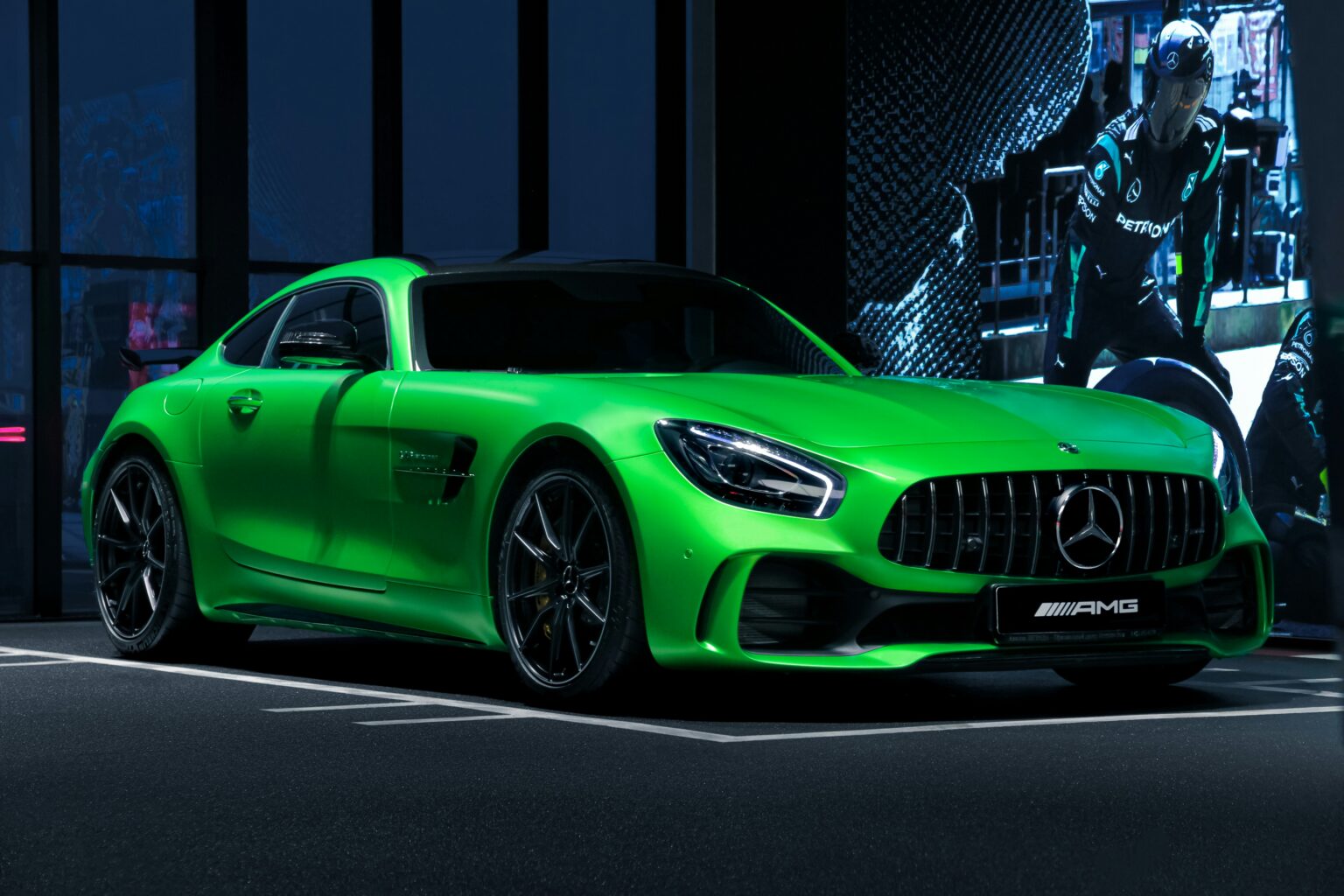

Driving technology has advanced rapidly over the last decade, and many modern vehicles now come with a feature called sport mode. Drivers often wonder what does sport mode do in a car, how it affects performance, and whether it makes a vehicle similar to a sports car. As interest in performance driving grows, understanding how sport mode works and what defines a sports car has become increasingly important.
This in-depth guide explains what is sport mode in a car, what qualifies as a sports car, whether the Hellcat is a sports car, and how popular models like the 370Z sports car, Toyota sports car lineup, and Lexus sports car lineup fit into the category. Whether you are a new driver or a car enthusiast, this article gives you a complete, user-friendly breakdown.
What Is Sport Mode in a Car?
Sport mode is a performance-enhancing driving setting found in many modern vehicles. When activated, it adjusts several aspects of the car’s behavior to make driving feel more dynamic, responsive, and powerful.
How Sport Mode Works
When you press the sport mode button, the vehicle’s onboard computer instantly changes several systems:
Throttle Response
The gas pedal becomes more sensitive. A small press accelerates the car more quickly, giving the driver a stronger, more engaging feel.
Transmission Shifting
The automatic transmission holds gears longer before shifting. This increases power delivery to the wheels and helps the engine stay in its optimal power band.
Steering Feel
In many cars, sport mode tightens the steering, making it feel heavier and more precise. This gives drivers more control at higher speeds.
Suspension Adjustment
Vehicles with adaptive suspension may stiffen the ride to reduce body roll during cornering.
Exhaust Tone
Some cars open valves in the exhaust system, making the engine sound louder and sportier.
Sport mode does not turn a car into a sports car, but it enhances performance to make the driving experience more exciting.
What Does Sport Mode Do in a Car During Real Driving?
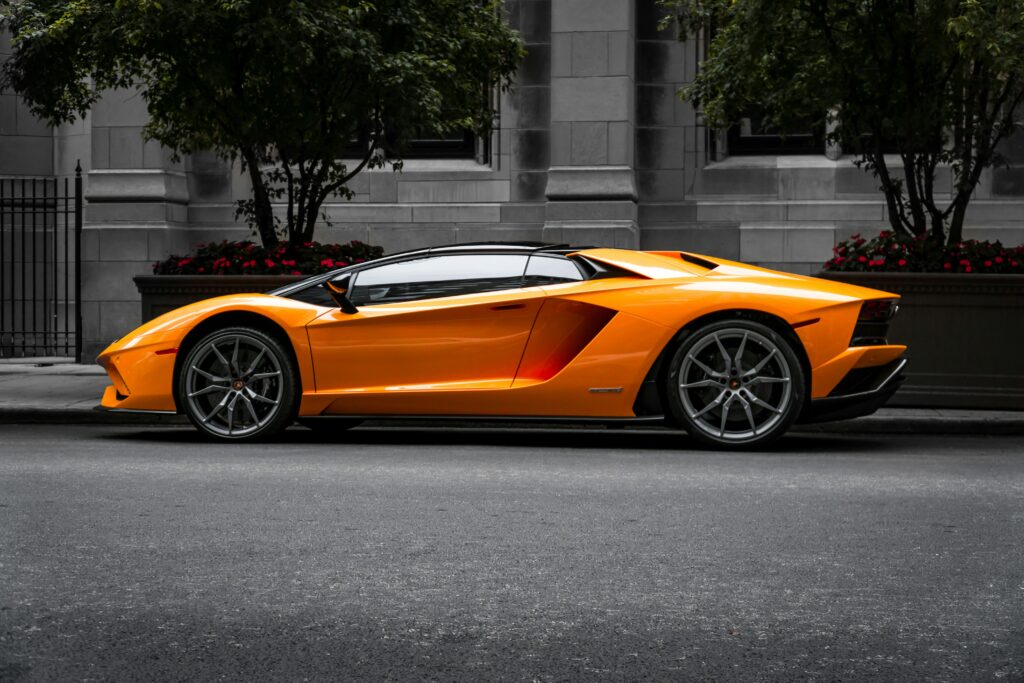
Drivers notice several immediate changes when sport mode is activated. These changes can vary depending on the vehicle’s design and engine type.
Faster Acceleration
Because the throttle becomes more sensitive and the engine revs higher before shifting, the car accelerates more quickly.
Sharper Handling
Tighter steering and firmer suspension make the car feel more responsive on winding roads.
Increased Engine Noise
Some cars amplify the sound to create a sportier, more aggressive driving environment.
Higher Fuel Consumption
Sport mode uses more fuel because it raises RPMs and increases throttle sensitivity. This is one of the main reasons drivers use sport mode occasionally rather than all the time.
Better Performance for Highway Merging and Passing
Sport mode can make highway driving easier by giving the driver quicker power when merging into fast-moving traffic.
What Is a Sports Car?
To understand how sport mode compares to a sports car, it’s important to know what qualifies as a sports car.
A sports car is designed primarily for performance rather than comfort. It typically emphasizes speed, acceleration, sharp handling, and driving excitement.
Key Characteristics of Sports Cars
Low Center of Gravity
Sports cars often sit lower to the ground to improve stability and handling at high speeds.
Powerful Engine
Most sports cars offer strong acceleration and higher horsepower compared to standard vehicles.
Lightweight Design
Weight reduction improves cornering, acceleration, and braking.
Rear-Wheel or All-Wheel Drive Options
These layouts maximize traction and control.
Focus on Driver Engagement
Sports cars prioritize the driving experience above comfort or utility.
Examples include the 370Z sports car, many Toyota sports car models like the Supra and GR86, and the Lexus sports car lineup such as the LC and RC F.
Difference Between Sport Mode and a Sports Car
Sport mode enhances the performance of a regular vehicle. A sports car is engineered from the ground up for performance.
Key Differences
Purpose
Sport mode: temporary performance boost
Sports car: permanent performance-oriented design
Engineering
Sport mode adjusts electronics
Sports cars are built with high-performance engines, suspensions, and aerodynamics
Handling
Sport mode helps a standard car feel sportier
Sports cars provide precision handling at all times
Experience
Sport mode enhances
A sports car defines the experience
Is the Hellcat a Sports Car?
The Hellcat is one of the most powerful production cars in the world, known for its extreme horsepower and aggressive styling. Many people ask is the Hellcat a sports car, but the answer is slightly more nuanced.
The Hellcat models—such as the Challenger Hellcat and Charger Hellcat—are considered muscle cars, not traditional sports cars.
Why the Hellcat Is Not Typically Classified as a Sports Car
Vehicle Size
Sports cars are usually compact and lightweight. The Hellcat is large and heavy.
Design Philosophy
Muscle cars prioritize straight-line speed. Sports cars focus on handling, agility, and balance.
Engine Characteristics
The Hellcat’s supercharged V8 delivers enormous power—over 700 horsepower—but handling and track performance aren’t its primary purpose.
Driving Feel
A sports car feels nimble and controlled. A Hellcat feels raw, powerful, and explosive.
However, despite not being a traditional sports car, the Hellcat still delivers an exhilarating driving experience.
Popular Sports Cars: A Look at Fan-Favorite Models
Sports cars come in many shapes and sizes. Some emphasize affordability, while others prioritize luxury or race-inspired engineering. Below are popular examples that buyers frequently search for.
The 370Z Sports Car
The 370Z sports car from Nissan is one of the most iconic affordable performance cars. It is known for its sharp handling, rear-wheel-drive layout, and powerful V6 engine.
Key Features
3.7L V6 Engine
This engine produces strong acceleration and a throaty exhaust note.
Rear-Wheel Drive
Makes the car ideal for drifting, track days, and spirited driving.
Coupe Body Style
Provides a low stance, improving handling and stability.
Driver-Focused Cabin
Simple but functional interior designed for performance driving.
Even though the 370Z has been replaced by the newer Nissan Z, it remains a major name in the sports cars world.
Toyota Sports Car Lineup
Toyota has re-entered the sports car market with several popular models that deliver performance, reliability, and affordability.
Toyota Supra
The Supra is Toyota’s flagship sports car, offering a turbocharged engine, rear-wheel drive, and exceptional handling.
Toyota GR86
An affordable, lightweight sports coupe with balanced handling and a responsive engine.
Toyota GR Corolla
A hot hatch with rally-inspired performance and all-wheel drive.
Toyota sports car models appeal to drivers who want a blend of value and capability.
Lexus Sports Car Models
Lexus offers luxury-oriented sports cars that combine performance with premium comfort.
Lexus LC
A grand tourer with a powerful V8 engine, luxurious interior, and stunning design.
Lexus RC F
A high-performance coupe with an aggressive stance and track-ready engineering.
Lexus IS 500
A sedan with a naturally aspirated V8, blending sports performance with daily-driving comfort.
The Lexus sports car lineup is known for refined handling and upscale design.
How Sport Mode Enhances Sports Cars
Sports cars already offer strong performance, but sport mode takes their capabilities further.
Improved Acceleration
Sports cars with turbocharged engines benefit the most, delivering quicker throttle response.
Sharper Gear Changes
Sport mode maximizes engine power by holding gears longer.
Better Cornering
Adaptive suspension systems stiffen to reduce body roll during high-speed turns.
Enhanced Driver Engagement
The car feels more alive, making every drive more exciting.
Even though sports cars are built for performance, sport mode adds another layer of excitement.
Should You Use Sport Mode Daily?
Sport mode is not harmful when used responsibly, but it is not ideal for everyday driving.
When to Use Sport Mode
- Merging onto highways
- Overtaking slower cars
- Driving on winding roads
- Enjoying performance driving
- Track days
When Not to Use Sport Mode
- Stop-and-go traffic
- Rain, snow, or slippery conditions
- Conserving fuel
- Daily commuting
Using sport mode strategically helps extend vehicle life while enjoying its benefits.
Do Sports Cars Always Have Sport Mode?
Not always. Many older sports cars or stripped-down performance models do not have sport mode. Their performance is built into the design instead of controlled electronically.
Modern sports cars, however, almost always include:
- Sport mode
- Track mode
- Custom driving modes
These allow drivers to fine-tune the vehicle for different situations.
Final Thoughts
Sport mode has become a popular feature because it enhances the driving experience by improving acceleration, handling, and responsiveness. While it makes a regular car feel sportier, it doesn’t turn it into a true sports car. A sports car is defined by its engineering—lightweight design, powerful engines, and dynamic handling.
Whether you’re exploring what sport mode does in a car or looking into popular models like the 370Z sports car, Toyota sports car lineup, or Lexus sports car models, understanding these differences helps you choose the right vehicle for your driving style.